Fire Service Technical Rescue Disciplines

Modern fire departments respond not only to fires and medical emergencies, but also to complex **technical rescue incidents** that require specialized training, tools, and teamwork.
Below are the principal rescue areas recognized in the fire service, each with a brief description of its scope and purpose.

Captain Veronica Hidrogo Cantu is our Captain for Technical Rescue Incidents for the H. Cuerpo de Bomberos Voluntarios de El Centenario

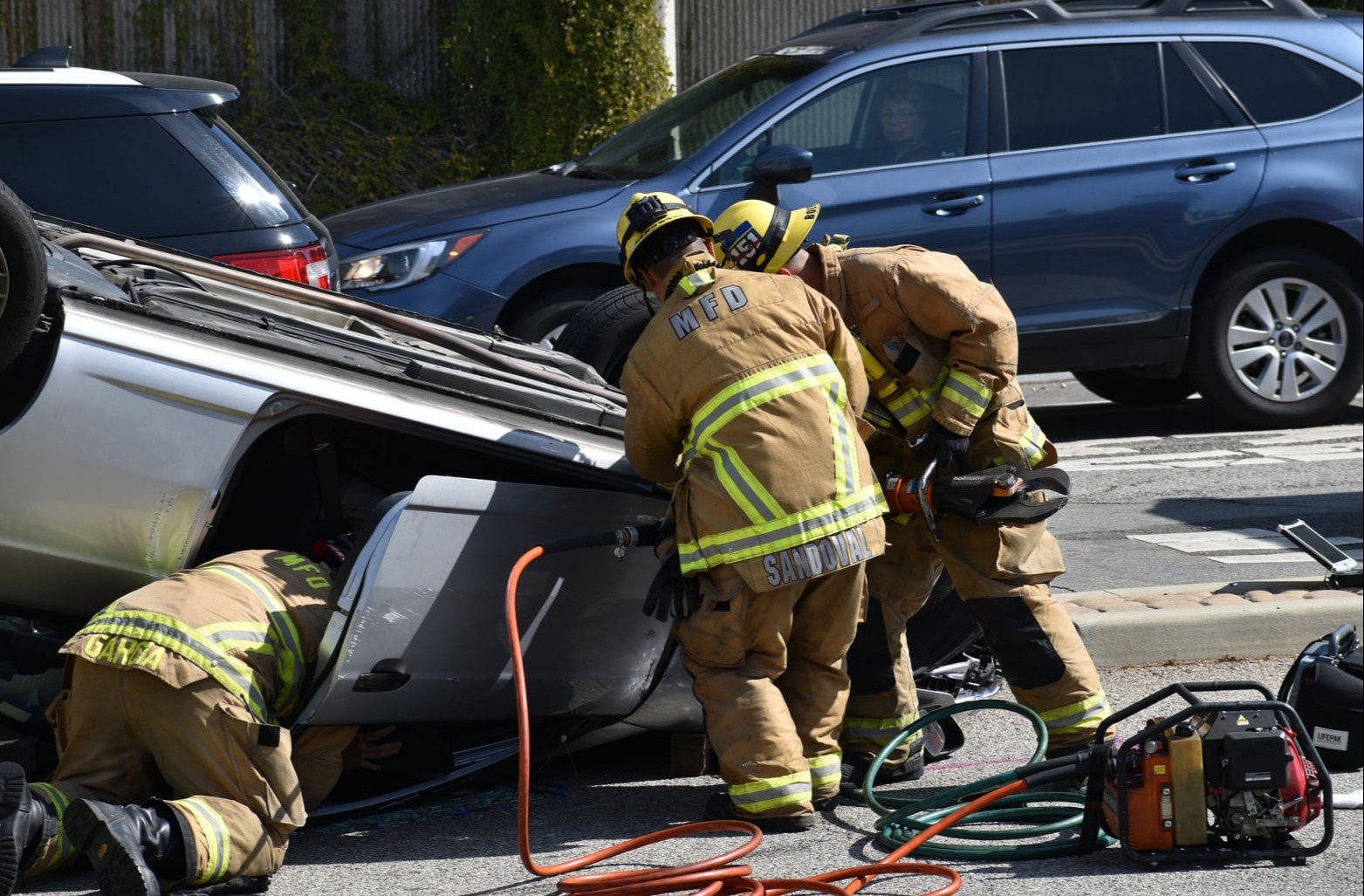
1. Vehicle and Machinery Rescue

Focuses on extricating victims trapped in vehicles or industrial machinery after collisions or equipment failures.

Firefighters use hydraulic tools, stabilization systems, and patient-care coordination to safely remove victims while preventing further injury or hazards such as fuel spills or electrical risks. 
2. Rope (High-Angle) Rescue

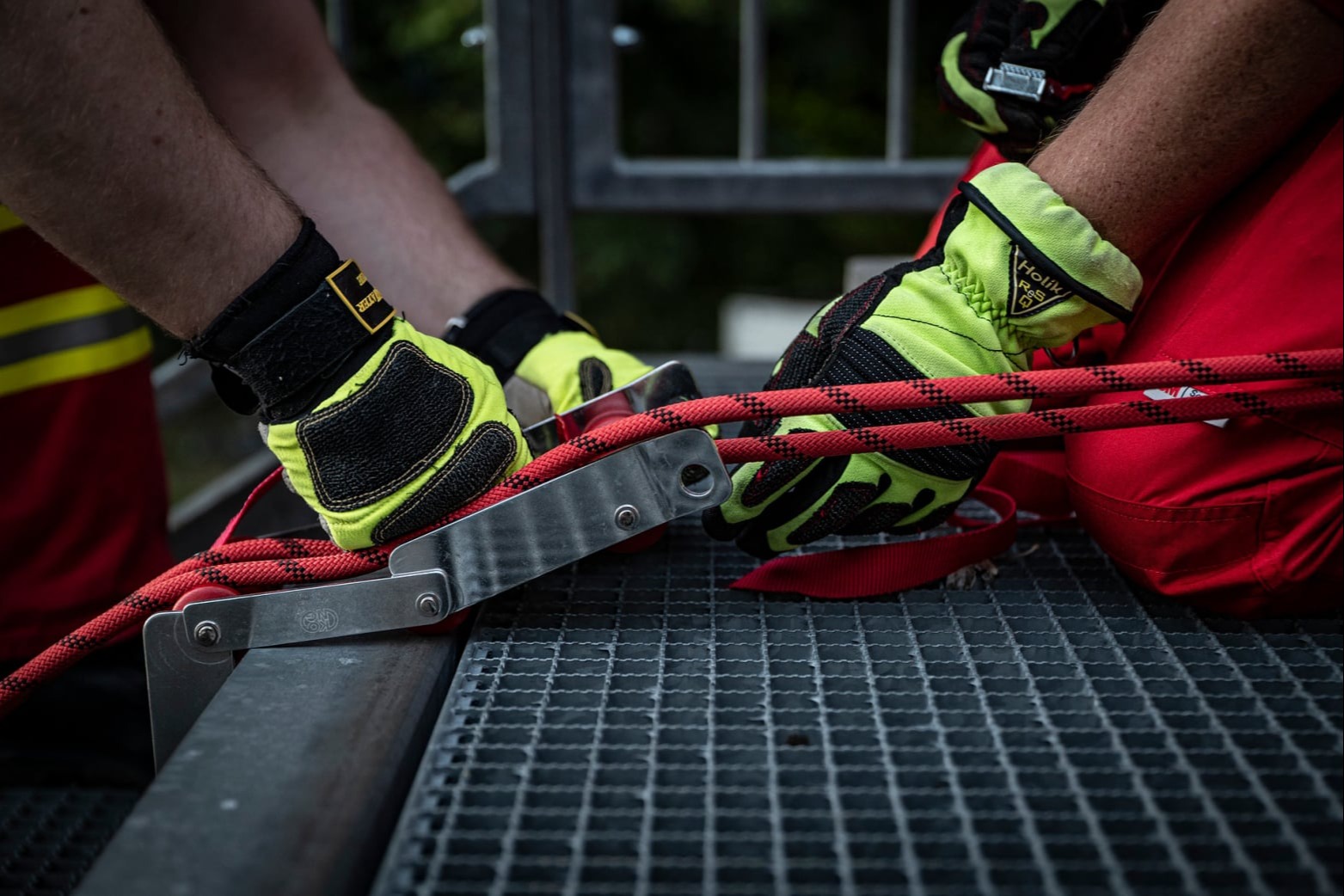
Covers incidents where victims are located above or below grade—on cliffs, towers, buildings, or ravines.

Teams use ropes, pulleys, anchors, and harnesses to raise or lower rescuers and patients, applying strict safety and load-management procedures.

3. Confined Space Rescue

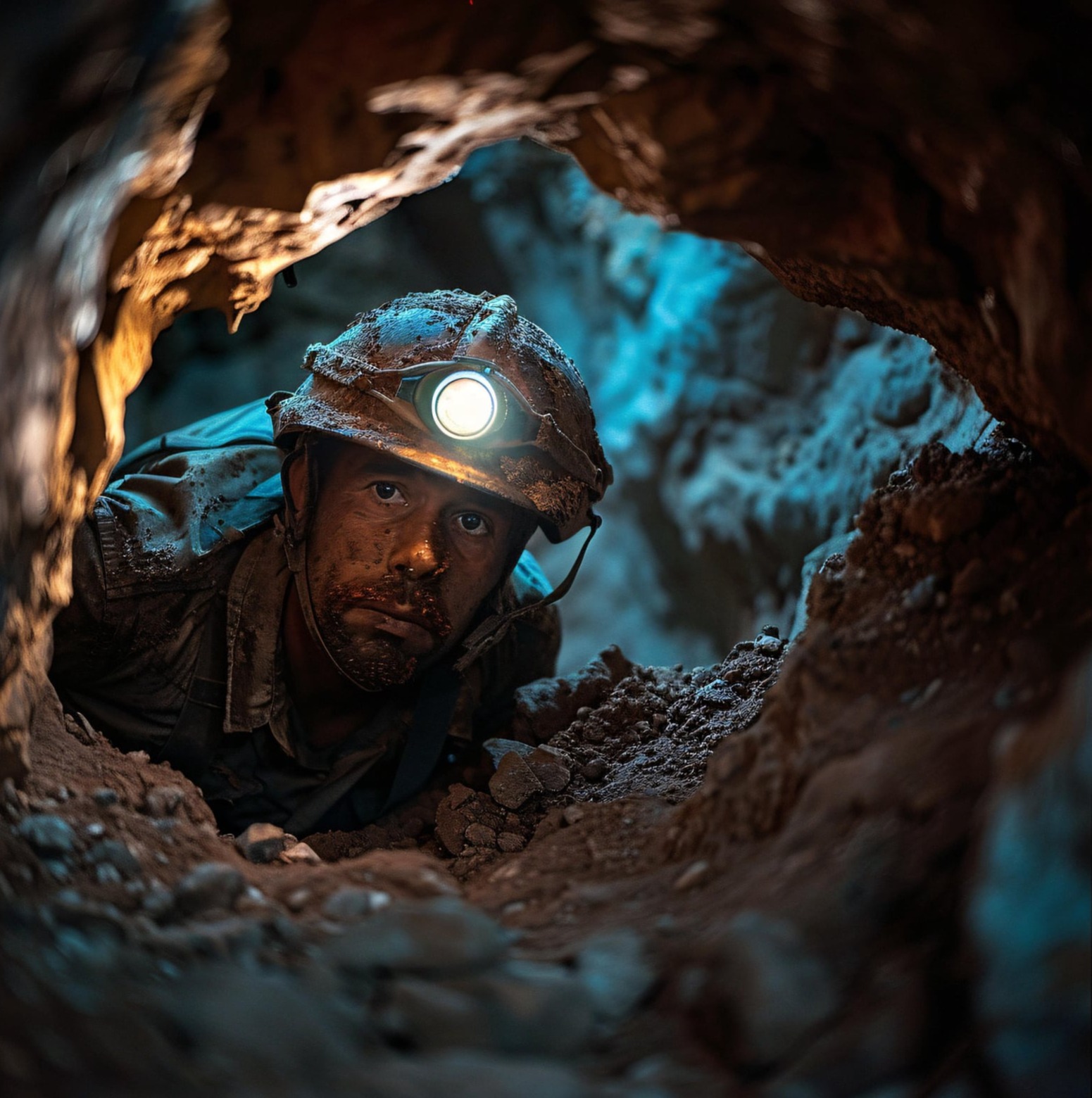
Deals with emergencies inside tanks, tunnels, wells, or other limited-access environments that may contain toxic atmospheres or restricted movement.

Deals with emergencies inside tanks, tunnels, wells, or other limited-access environments that may contain toxic atmospheres or restricted movement.
Personnel rely on atmospheric monitoring, ventilation, retrieval systems, and personal protective equipment to conduct rescues safely within regulatory and NFPA standards. 

4. Trench and Excavation Rescue

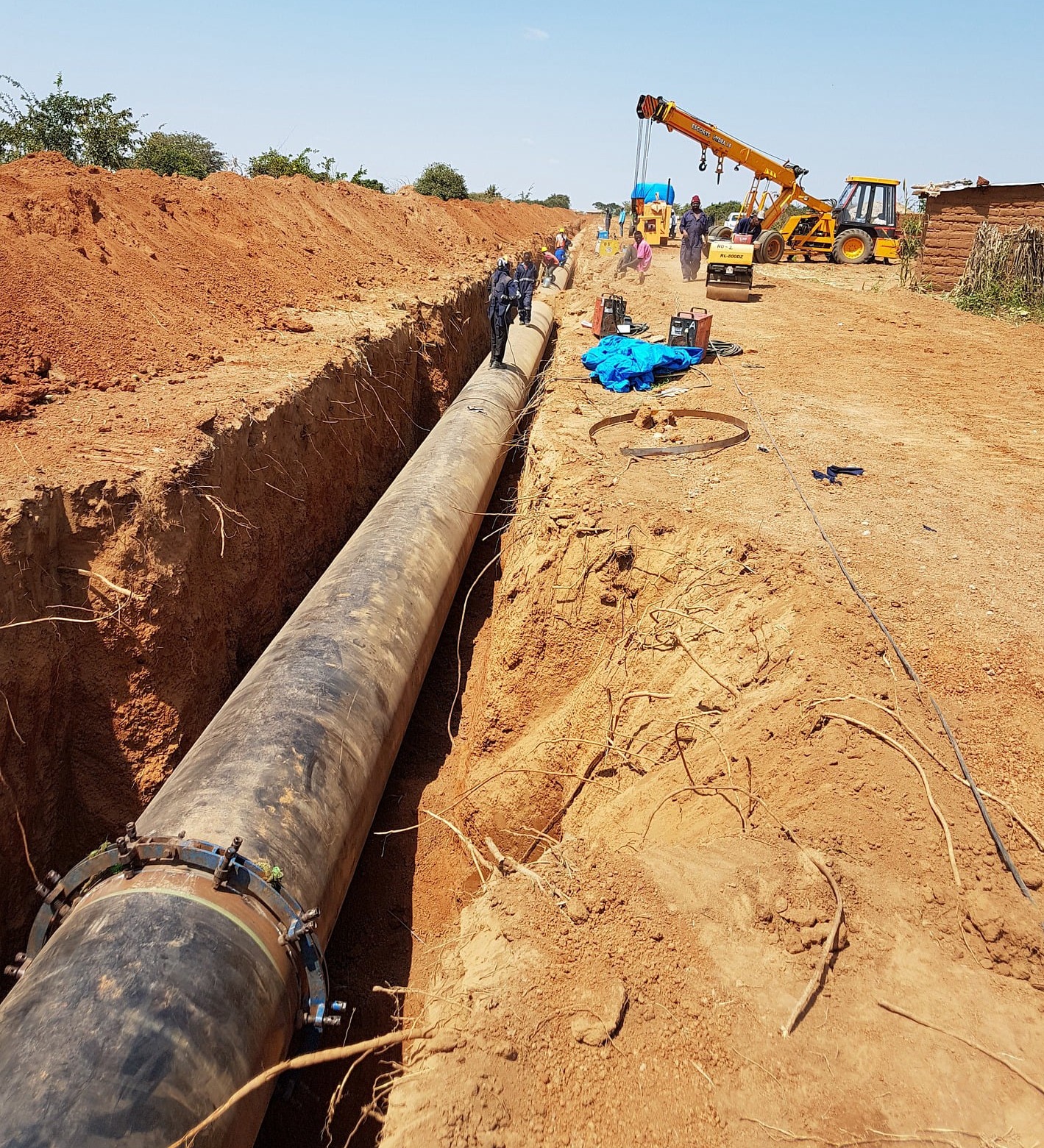
Involves incidents where workers or civilians become trapped in collapsed trenches or excavations.

Specialists stabilize soil walls, use shoring systems, and manage heavy loads to prevent secondary collapse while extricating victims.

5. Structural Collapse (Urban Search and Rescue – USAR)

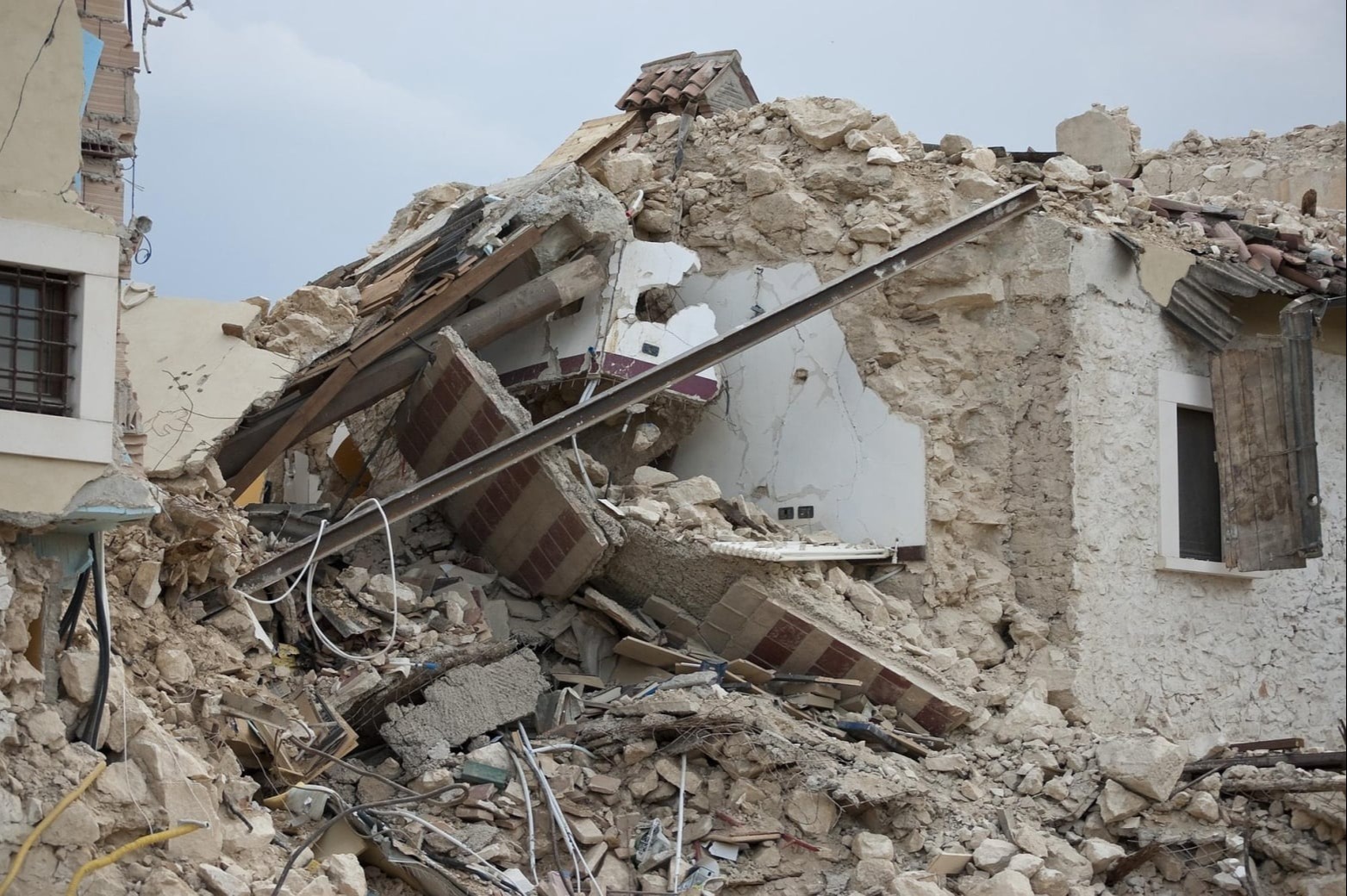
Addresses building or structural failures due to earthquakes, explosions, or construction accidents.

Teams perform search, breaching, shoring, lifting, and victim removal operations using heavy tools, technical search devices, and canine units.

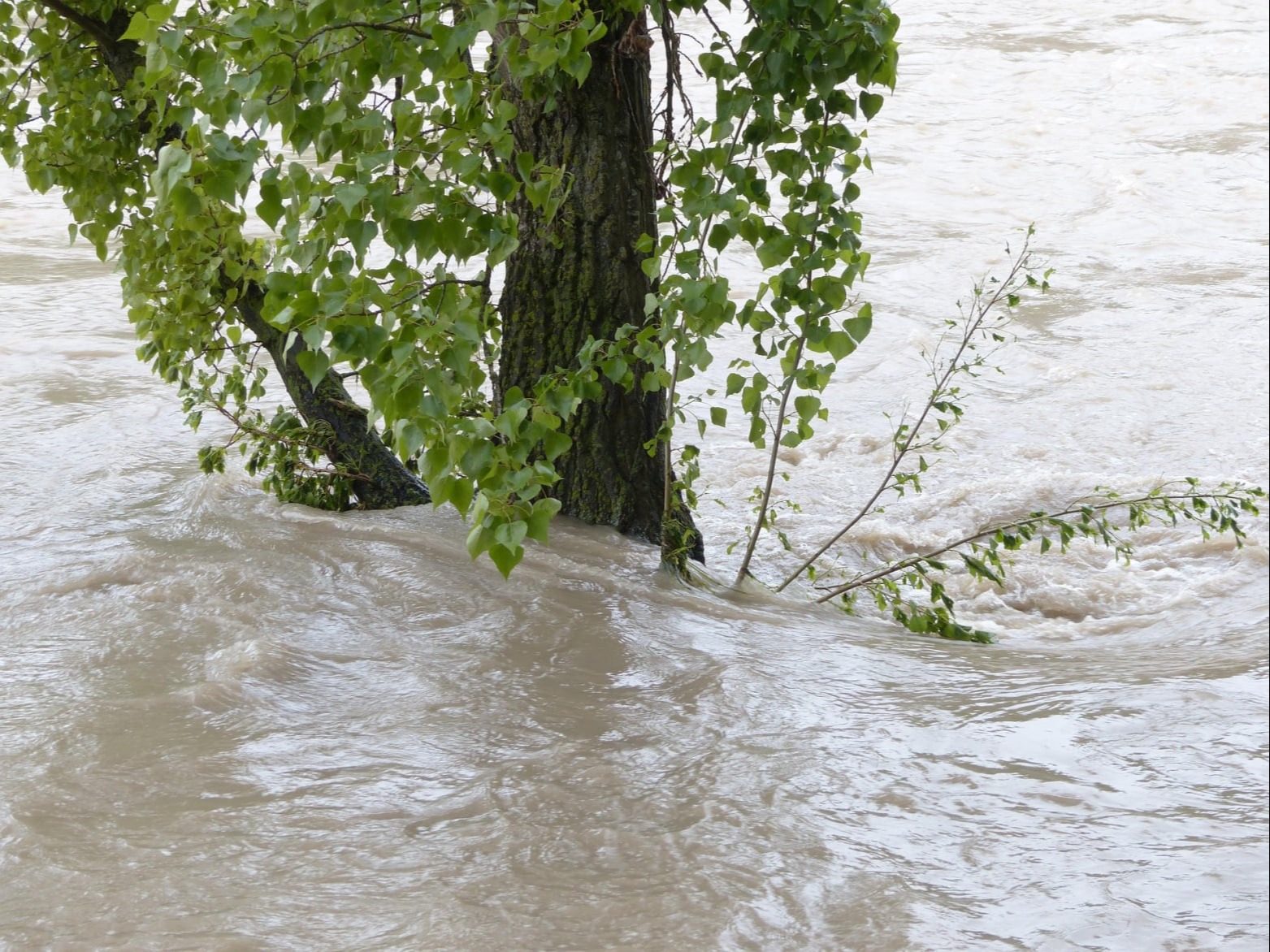
6. Water and Swift-Water Rescue

Applies to rescues in moving water, floods, canals, or submerged environments. 

Rescuers use specialized flotation gear, throw-bags, and inflatable boats to recover victims while minimizing risk from current, debris, and entrapment.

7. Surface Ice and Cold-Water Rescue

Even though we do not have ice down here in Baja California Sur, we do have icing conditions in the mountains and the flood water is also cold.

Handles emergencies where victims are exposed to colder temperatures where hypothermia can be a problem.

Responders wear thermal protective suits, use reach-and-throw techniques, and employ rope-based systems to conduct safe recoveries in cold water conditions.

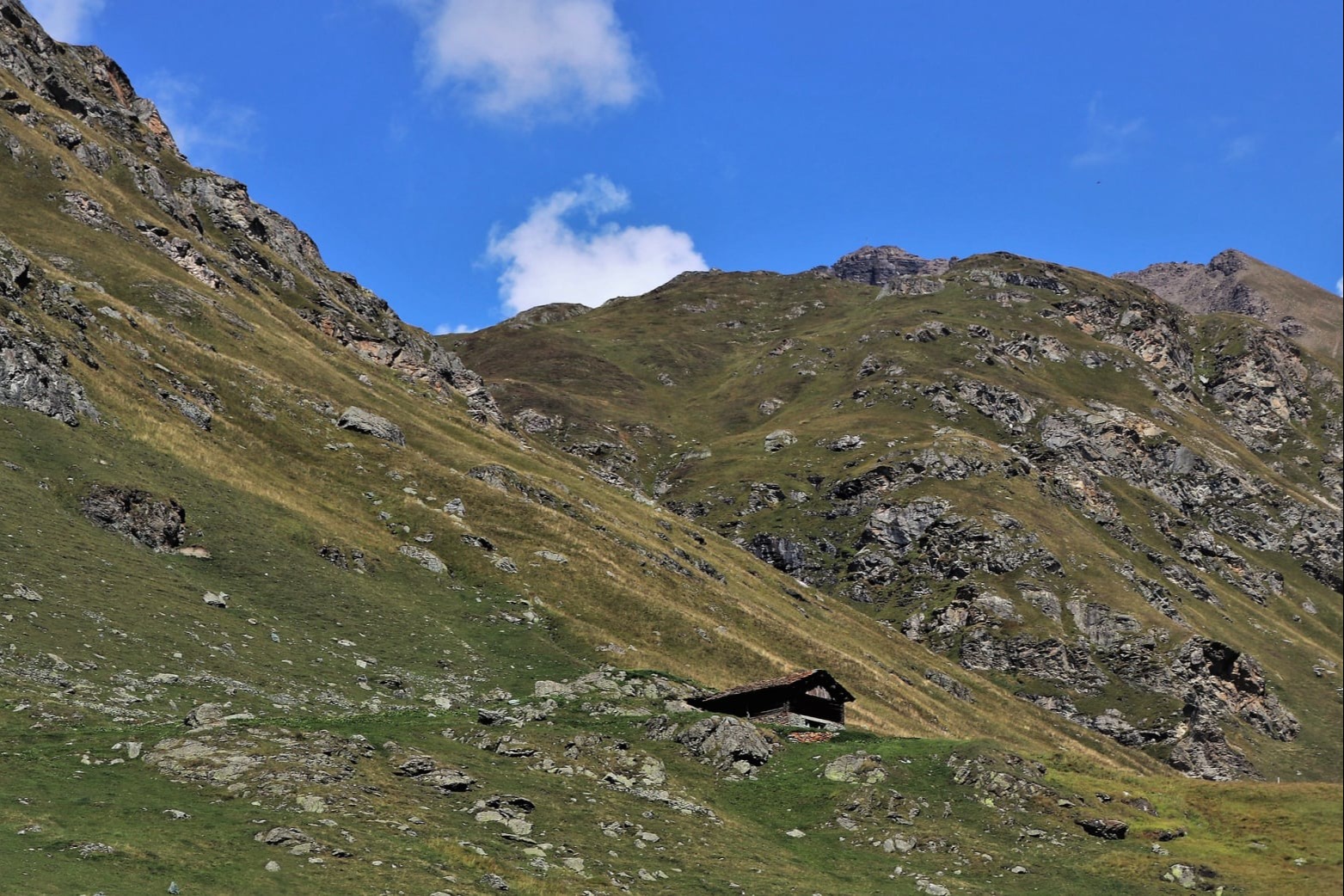
8. Wilderness and Search Operations

Covers missing-person searches and rescues in remote or mountainous areas.

Operations include land navigation, tracking, communications, and coordination with air or ground units for patient access and evacuation.


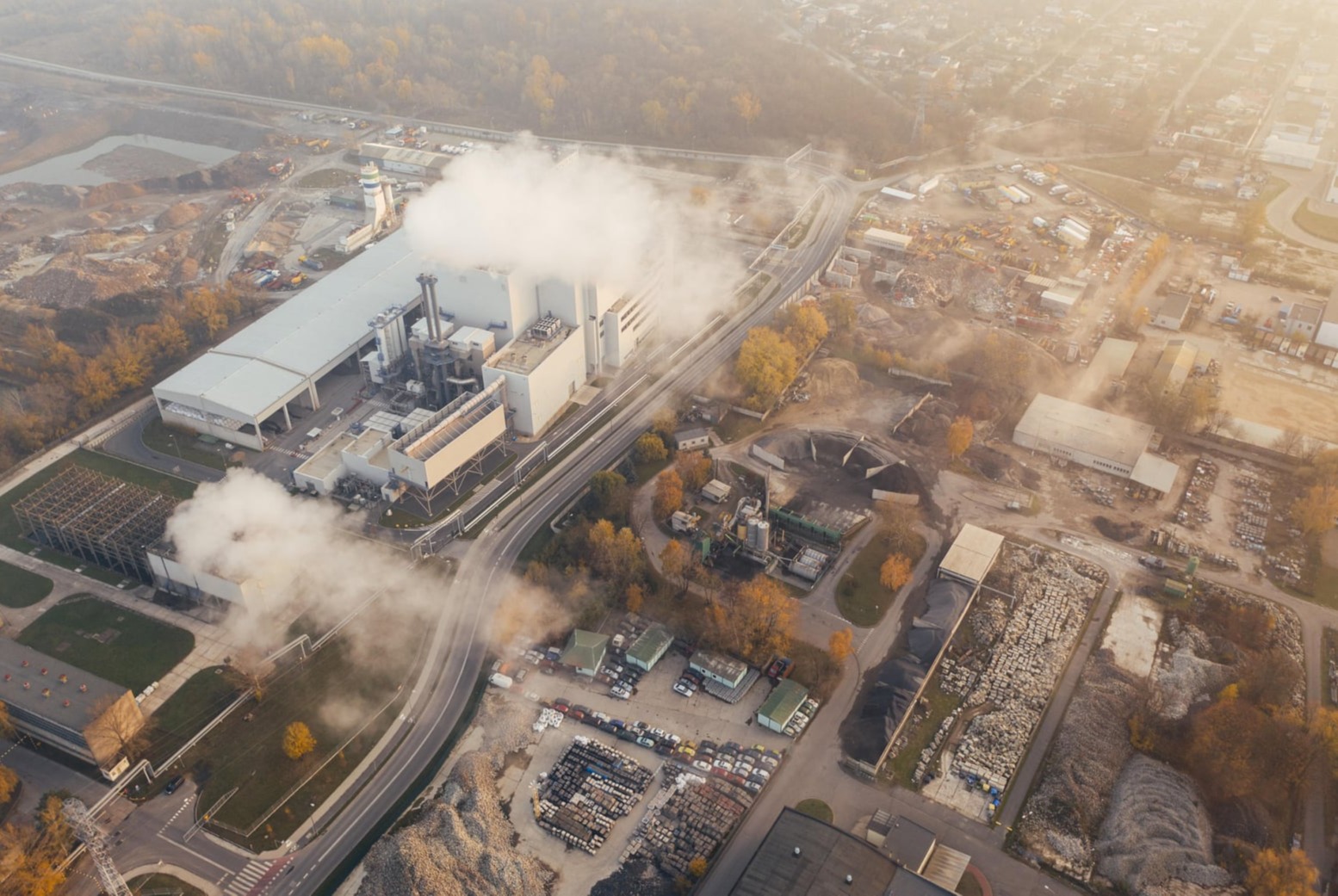
9. Hazardous Materials (Haz-Mat) Technical Operations

Although distinct, Haz-Mat incidents often overlap with technical rescue.

Specialists identify, contain, and mitigate chemical, biological, radiological, or flammable hazards to protect life, property, and the environment. 

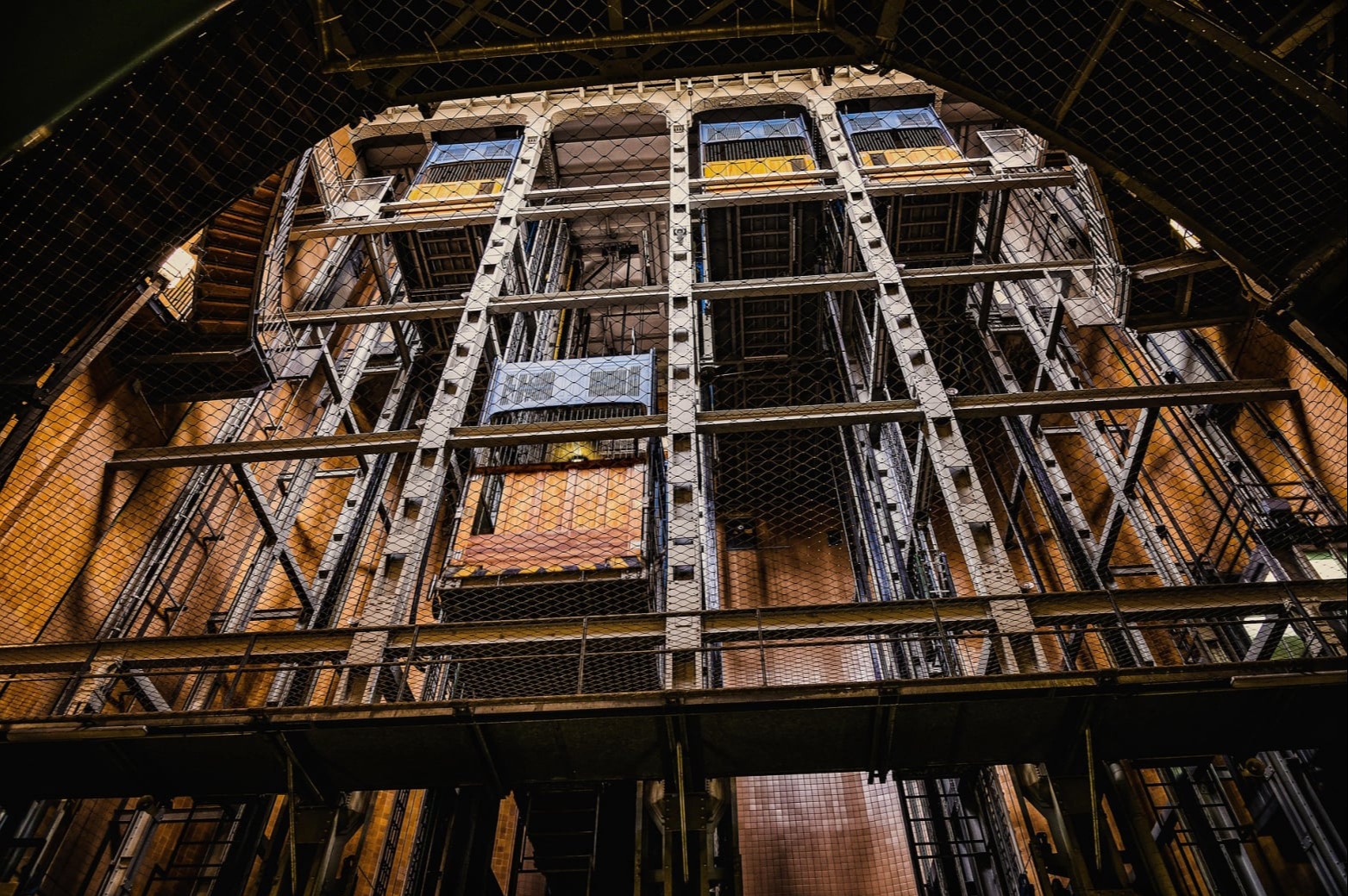
10. Elevator and Industrial Rescue

Involves incidents in elevators, cranes, construction sites, or industrial facilities.

Involves incidents in elevators, cranes, construction sites, or industrial facilities.
Teams secure power sources, stabilize equipment, and extricate trapped individuals using lock-out/tag-out and mechanical-advantage systems.